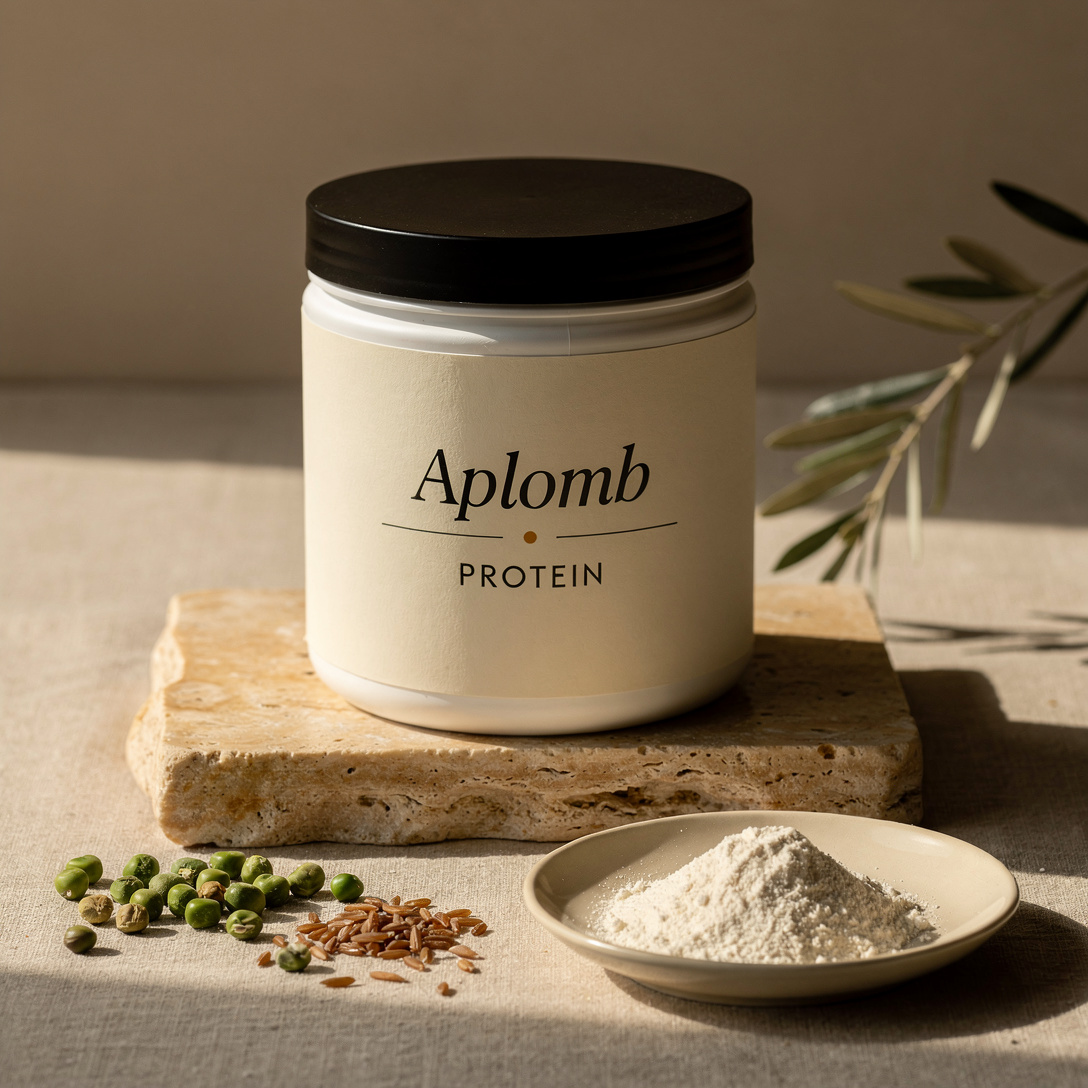
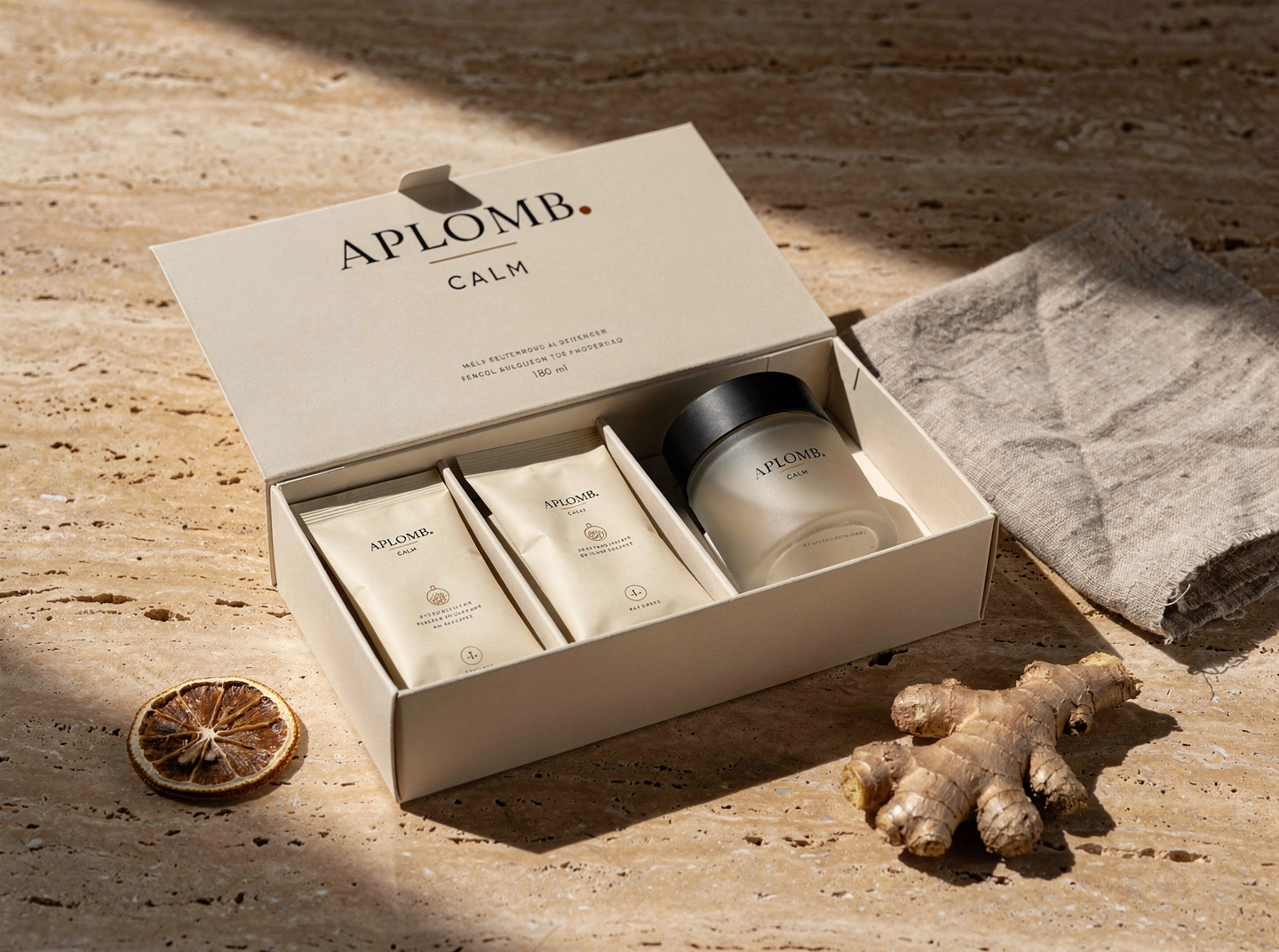
APLOMB is the side‑effect protocol layer for GLP‑1 care. Companion supplements for the four side effects that drive discontinuation and increase average order volume.
You spend hundreds of dollars to acquire a GLP‑1 patient. The published persistence data says most of that investment walks out the door in the first six months.
Figures come from different published cohorts (commercial claims, telehealth channel data, and peer‑reviewed registries), so they are directional rather than a single curve. Every source is cited at the bottom of this page.
After cost, the biggest driver of discontinuation is the day‑to‑day experience of the medication: nausea, hair shedding, muscle loss, and changes in the mirror. Most programs leave patients to deal with all of that on their own.
Nausea affects 20–33% of patients at weight‑management doses, and GI‑driven discontinuations concentrate in the first three months of titration.2,7
Body composition data from STEP 1. Muscle loss undermines results, metabolism, and patient confidence in the program.8
Patient surveys report shedding during rapid weight loss; risk rises with more than 20% body‑weight reduction.9
The facial aging effect patients describe in their own words when they cancel. Measured radiographically at Vanderbilt.10
The medication works. The first ninety days are where you lose patients.
Side‑effect dropouts cluster in the first three months of titration, while the dose is climbing and the nausea is at its worst.2 Patients who get real support through that window stay on therapy at much higher rates.13
APLOMB covers that window with one product for each documented quit reason, formulated and labeled to clear a telehealth compliance review. Each monthly shipment is also one more touchpoint between your program and the patient, without adding clinical staff.
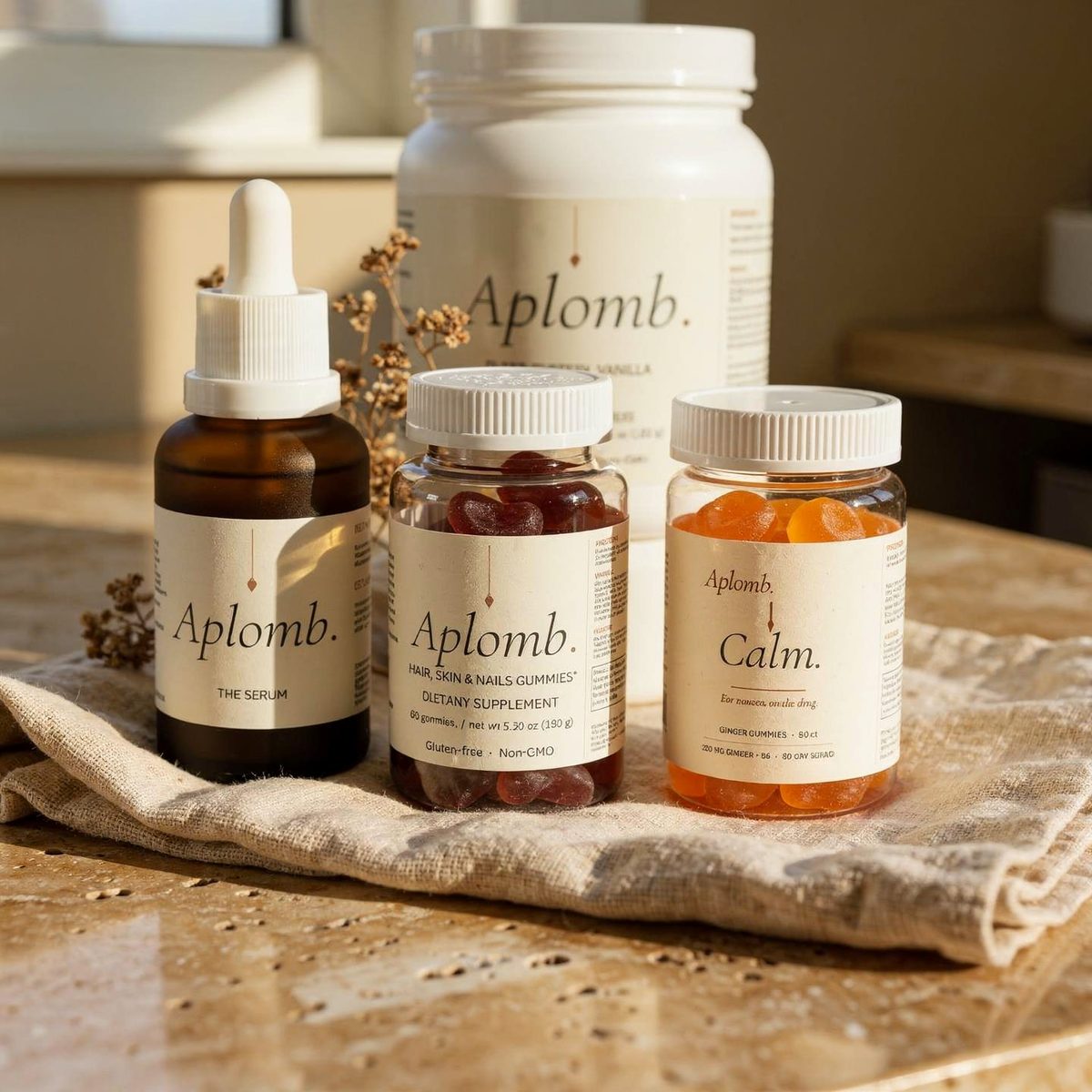
APLOMB makes products only for GLP‑1 side effects. There are four, one for each of the reasons above, and each is formulated to sit inside your patient experience rather than compete with it. Ingredient lists, COAs, and claims documentation are available on request.


The published evidence is consistent: patients who feel supported through the hard part stay on therapy longer. We will walk your clinical team through every source, and pilots are structured to measure attach and persistence against your own baseline.
12‑month persistence for patients in wraparound support programs versus baseline cohorts (Omada Health, real‑world, N=816).13
Patients with five or more provider touchpoints in the first 120 days persist at far higher rates. Every monthly kit shipment is a touchpoint you did not have to staff.11
Companion‑line revenue for a 10,000‑patient program at a 30% attach rate and $27 net monthly contribution, before counting any persistence benefit. Scale it to your base in the calculator below.
Move the sliders. The model uses published persistence rates and a conservative companion‑product attach assumption. All math is shown below the results.
Model assumptions: 64.8% of patients discontinue by month 121 with a 4‑month average tenure for those who quit; quitting patients forgo 8 months of program revenue versus a retained patient year. Supported‑care cohorts persist at roughly 67% versus 47‑49% baseline at 12 months,13 which we apply as a 6‑point persistence improvement, a deliberately conservative fraction of the published gap. Companion revenue assumes $27 net contribution per attached patient per month. This is a directional planning model, not a forecast; your unit economics will vary.
Start with wholesale and a co‑marketed kit, or put your own brand on the line. Both run on the same formulations, the same manufacturing, and the same per‑batch testing.
Stock the APLOMB line inside your program and be in market in weeks.
We manufacture the line under your brand, and the margin and the customer relationship stay with you.
We share formulations, evidence files, claims sheets, and COAs with your medical and legal teams under NDA.
Choose wholesale or white label, select SKUs, and decide where the products live in your patient journey.
Compliance‑reviewed copy for your app, checkout, and clinician scripts. Fulfillment through your pharmacy, 3PL, or ours.
Launch to a defined cohort, track attach and persistence against your baseline, then scale what the data supports.
Where it fits: the highest‑leverage placements we have mapped are the plan review (set expectations about side effects up front), checkout (companion kit as a one‑tap add‑on), the dose log (surface Calm when nausea is reported), and member support (a concrete answer when a patient writes in about hair or muscle). We bring suggested copy for each moment.
Everything below is documented and available to your team before launch.
Supplements manufactured in GMP‑certified US facilities. The facial serum is a topical cosmetic produced under cosmetic GMP.
Third‑party testing on every production batch, with certificates of analysis issued per batch and archived for partner audit.
Structure‑function and cosmetic claims only. No disease claims, no treatment claims, and no medication brand names on any label or marketing asset.
Drug brand names appear only in informational contexts with the required trademark attribution, never in product naming or advertising.
We never require patient health information. Wholesale and white label both run without PHI crossing to us.
Facility documentation, testing protocols, and batch records shared under NDA during partner diligence.
No. Every product is positioned as a dietary supplement or topical cosmetic with structure‑function claims only. Nothing claims to treat, cure, or prevent any condition, and no product references any medication brand. We supply compliance‑reviewed copy for your app, checkout, and clinician scripts, and your team reviews everything before launch.
The products are dietary supplements and topical cosmetics formulated to avoid known interaction concerns, and every ingredient list is open for your medical team's review before launch. We position all products as supportive care alongside therapy, with standard guidance that patients discuss supplements with their clinician.
The persistence evidence is for side‑effect management and wraparound support as a category, cited above; no supplement brand, ours included, has published an RCT on persistence yet. That is exactly why our pilot structure includes attach and persistence measurement against your baseline. If you want to co‑publish the result, so do we.
Wholesale pilots can ship inside 30 days: pricing, a co‑branded insert, and product in your fulfillment flow. White label timelines depend on label design and batch scheduling; we will give you a dated plan on the first call.
Wholesale pricing is tiered by monthly volume and shared under a simple mutual NDA. Margins are structured so the companion line is accretive at typical telehealth program fees. Request partner pricing and we will send the sheet the same day.
Yes. Most partners start with Protein or the nausea kit, since muscle loss and GI effects are the two largest addressable quit reasons, then expand to the full system.
APLOMB is a US company built exclusively for GLP‑1 patients. We run our own direct‑to‑consumer line at getaplomb.com, which means the formulations, claims language, and patient education you would be putting in front of your members are already live in market.
A 30‑minute call: your churn numbers, our persistence data, and a pilot plan with dates on it.
Book a partnership call